The rice I keep going back to
Dear friend,
It rained most of yesterday, the soft grey kind that doesn't really stop, just thins out for an hour and then thinks better of it. I stood at the stove with the lid half off a pot of rice and let the steam come up into my face, and for a second I wasn't here at all. I was small again, in a kitchen that smelled of lemongrass, watching someone older than me lift a lid in exactly the same way. Funny how a pot of rice can do that. Carry you somewhere across the years and set you down gently.
I have been meaning to write and tell you what I cook with these days, since you asked the last time, half-laughing, how I make rice taste "like home" when home is so far from here.
Why I went looking
For a long time after we moved I bought whatever the nearest shop had. It fed us. It was fine. But there's a difference between rice that fills a bowl and rice that makes the bowl feel like ours, and I'd lost the second kind somewhere along the way. I wanted grains that stayed separate and long when they cooked, that didn't clump into a soft grey mass by the time everyone sat down. I wanted the kitchen to smell of something when the lid came off.
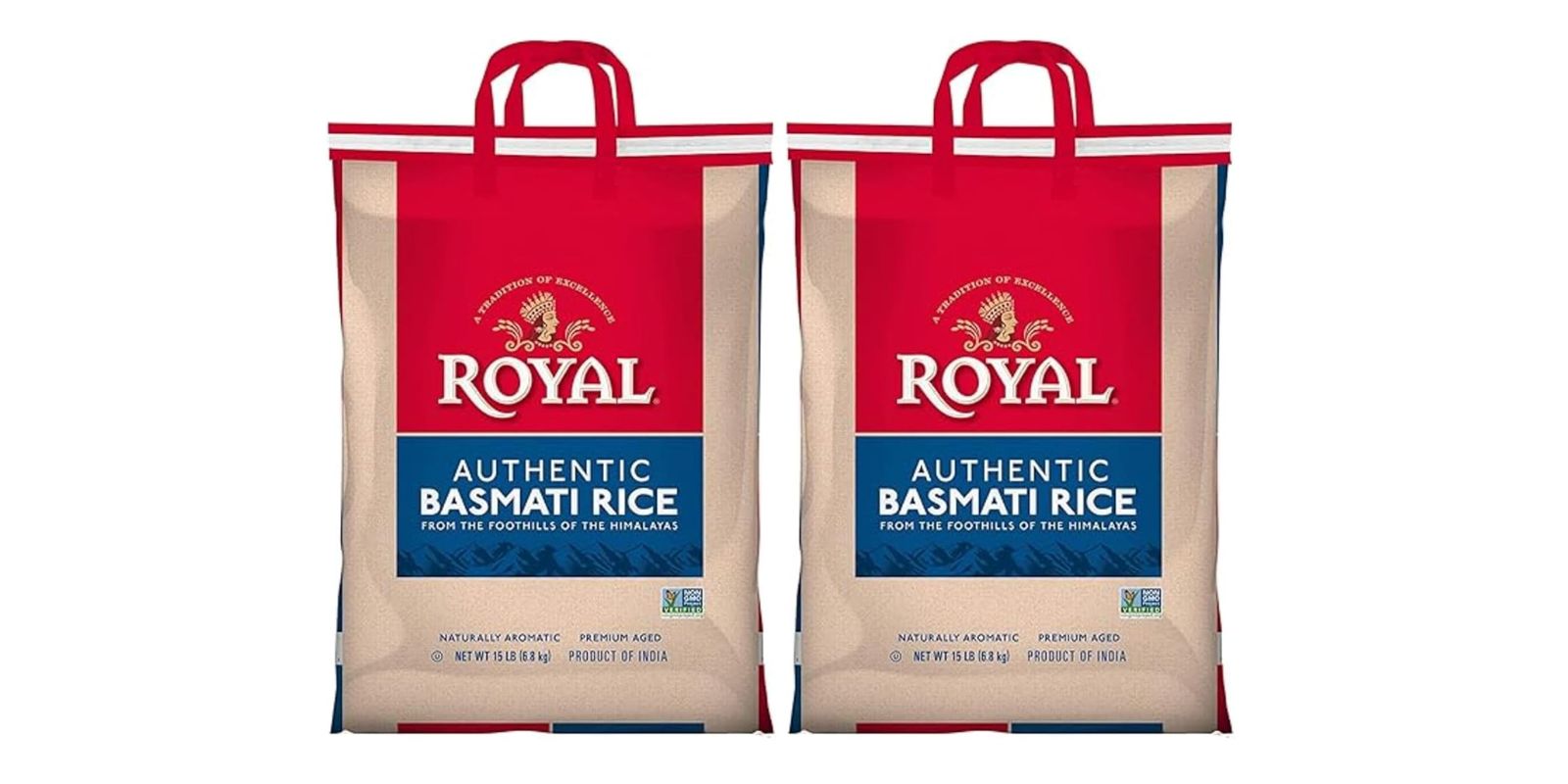
So I started paying attention. Reading the backs of bags. Trying one, then another. The one I kept coming back to is this Royal basmati, the big pair of bags that lasts us a good while.
What it actually is
It's long-grain white basmati, grown in the foothills of the Himalayas and aged for at least twelve months in temperature-controlled silos before it's bagged. That aging is the part I didn't understand at first. Like wine or a good cheese, the time changes it. The grains come out fluffier and they don't stick, which is exactly what I'd been chasing. Royal is, apparently, the basmati most American kitchens reach for, though I can't say I knew that when I bought my first bag. I just knew the rice behaved the way I wanted it to.
It's vegan, gluten-free, kosher and halal, if any of that matters in your house. It comes in two fifteen-pound bags, which sounds like a great deal of rice until you live with two children and a husband who could eat it at every meal.
"Đủ no chưa?" my mother used to ask. Are you full enough? As if the bowl in front of you was a question she needed answered.
I hear her voice when I make it. I don't think I'll ever stop.
How it cooks
The grains come out long and separate, the way good Indian rice should, and they hold up to whatever you put them next to. I've made it plain for a quiet weeknight, and I've made it the centre of something more, fried with whatever was tired in the fridge, or alongside a pot of something braised and slow. Thành likes it best simply steamed with a little salt, eaten beside fish. Kẹo, who has opinions about most things, eats it without complaint, which from him is the highest review there is.
People who've cooked with it longer than me say much the same. The grains stay separate, the cooking is consistent batch to batch, and it does well in fried rice especially. There is one honest thing I should pass along, because you'd want me to. A few cooks find the aroma gentler than the very fragrant basmati they grew up with. It's there, but it's soft, not the perfumed kind that fills a whole room. For me that's fine, even right, since I'm usually building the smell of the meal around it anyway. But if a strong scent is the whole reason you reach for basmati, know that going in.
A small note on rinsing
I rinse mine in cool water until the water runs nearly clear, two or three changes, before it goes in the pot. It rinses off the loose starch and keeps the grains from gluing together. My mother did it without thinking and so do I now, hands moving on their own while my mind is elsewhere.
What I've learned living with it
Let the rice sit covered, off the heat, for ten minutes after it's done before you lift the lid. I used to rush it, hungry children at my elbow, and the grains came out a little wet. That short rest finishes them. They dry just enough and separate beautifully, and nobody has ever once thanked me for waiting, but I notice.
Who I'd hand a bag to
If you cook rice often, more than once or twice a week, the two big bags make sense and they keep well in a cool dry cupboard. If you want grains that stay long and loose for biryani or fried rice or just a good clean bowl beside dinner, this does that honestly. And if you, like me, are making a home somewhere your childhood kitchen can't reach, this is a gentle, reliable way to put a little of it back on the table.
The pot is empty now. I'll make more tonight. Write soon, and tell me what's cooking in your kitchen.
With love from the quiet end of England,
Nhu
As an Amazon Associate I earn from qualifying purchases. This comes at no extra cost to you.